Navigating electrical issues in your home can often lead to the tempting question: "Can I fix this myself?" While some minor tasks might seem straightforward, understanding the critical line between a safe DIY fix and a situation demanding professional expertise is paramount for your safety and the integrity of your home's electrical system. At Dr. Watts Electrical Services, we believe an informed homeowner is a safe homeowner, and knowing when to pick up a tool versus picking up the phone can make all the difference.
Minor Electrical Tasks You Can Safely DIY
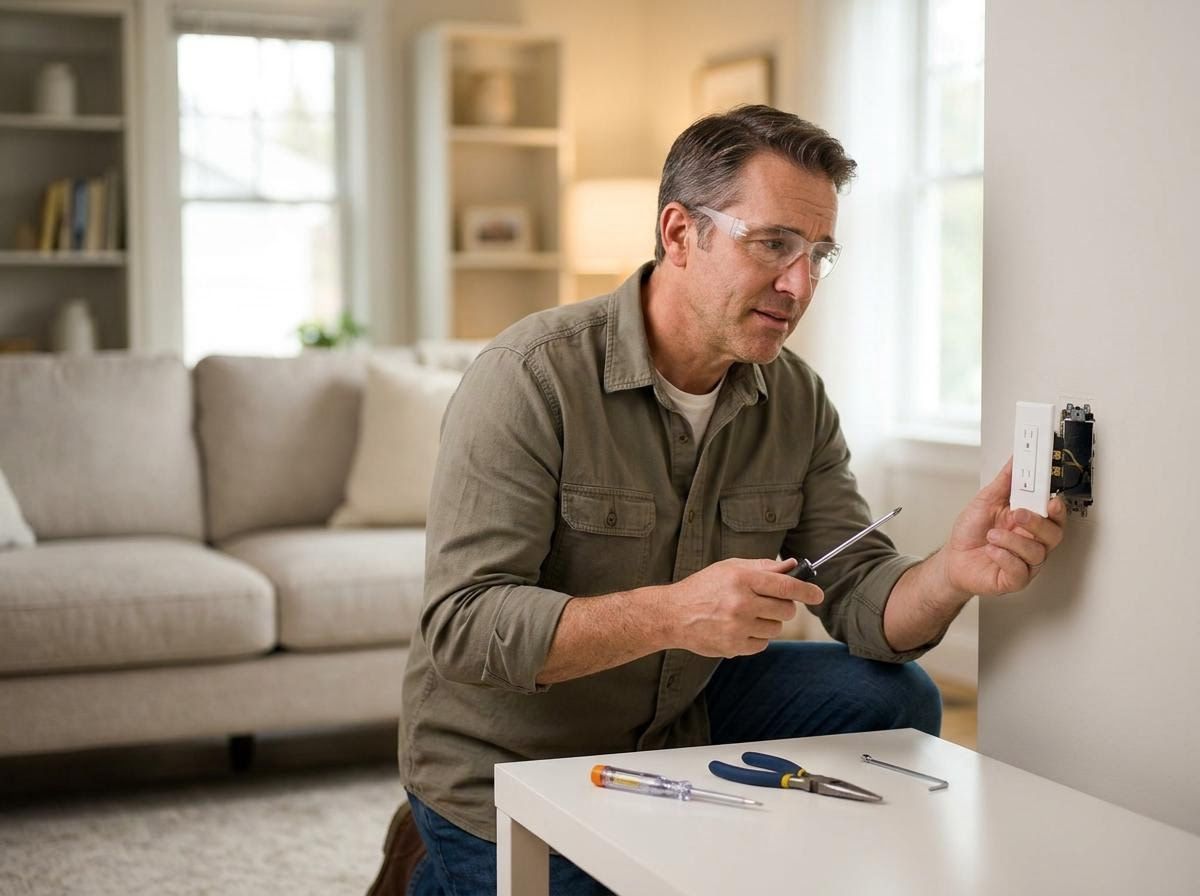
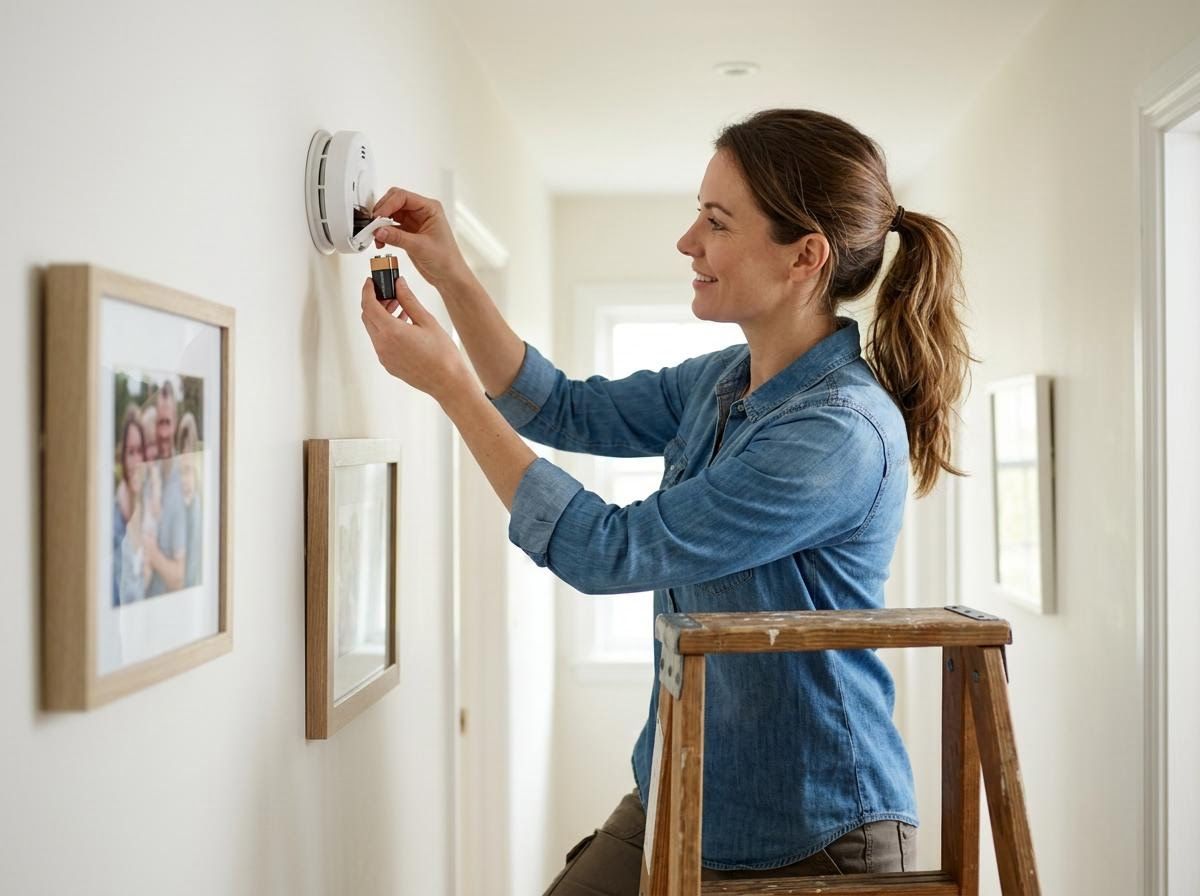
There are indeed a few electrical tasks around the house that most homeowners can handle safely, provided they follow basic safety precautions. These typically involve no direct contact with wiring and can be done with minimal tools. For instance, changing a light bulb, replacing a battery in a smoke detector, or resetting a tripped circuit breaker are generally safe. Swapping out a wall switch plate or outlet cover, as long as the power to that circuit is confirmed off at the breaker, also falls into this category. Always remember to turn off the power at the main breaker before starting any task, no matter how small, and use a voltage tester to double-check that the circuit is dead.
Warning Signs That Demand Caution
While it's good to be handy, certain electrical symptoms are clear indicators that a professional eye is needed, even if they seem minor. If you experience frequently tripping circuit breakers, this could signal an overloaded circuit or a more serious wiring fault. Outlets that feel warm to the touch, emit a burning smell, or show discoloration are immediate red flags for overheating, which poses a significant fire risk. Similarly, flickering lights throughout the house, sparks from outlets, or persistent buzzing noises from your electrical panel are not normal and suggest underlying problems that require expert diagnosis and repair, not a DIY patch.
When to Always Call a Licensed Electrician
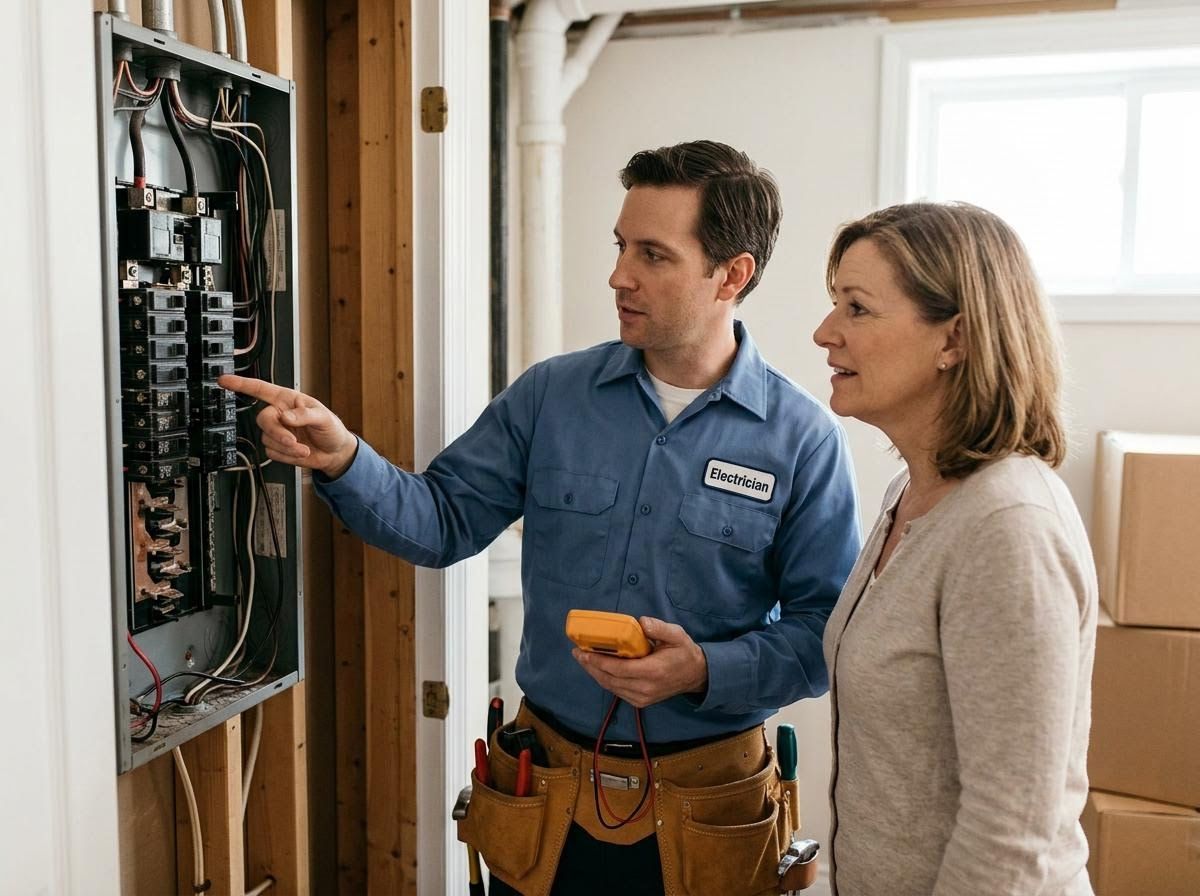
For more complex electrical work, attempting a DIY fix is not only dangerous but can also lead to code violations, voided insurance policies, and further damage to your home's electrical system. Any task involving new wiring installation, moving outlets or switches, upgrading your electrical panel, or addressing faulty circuits and ground faults should always be left to a licensed professional. Water-related electrical issues, like a flooded basement or a circuit breaker tripping after rain, also demand immediate professional attention due to the extreme shock hazard. Electricians have the specialized tools, training, and knowledge to safely and effectively tackle these complex projects.
Prioritizing Safety and Professional Expertise
Understanding the limits of DIY electrical work is crucial for the safety of your home and family. While minor fixes can be empowering, complex issues or persistent warning signs are clear indicators that professional help is needed. Don't compromise safety for the sake of a quick fix. To ensure your electrical systems are up to code and functioning safely, learn more about when professional electrical services are your best and safest option.